
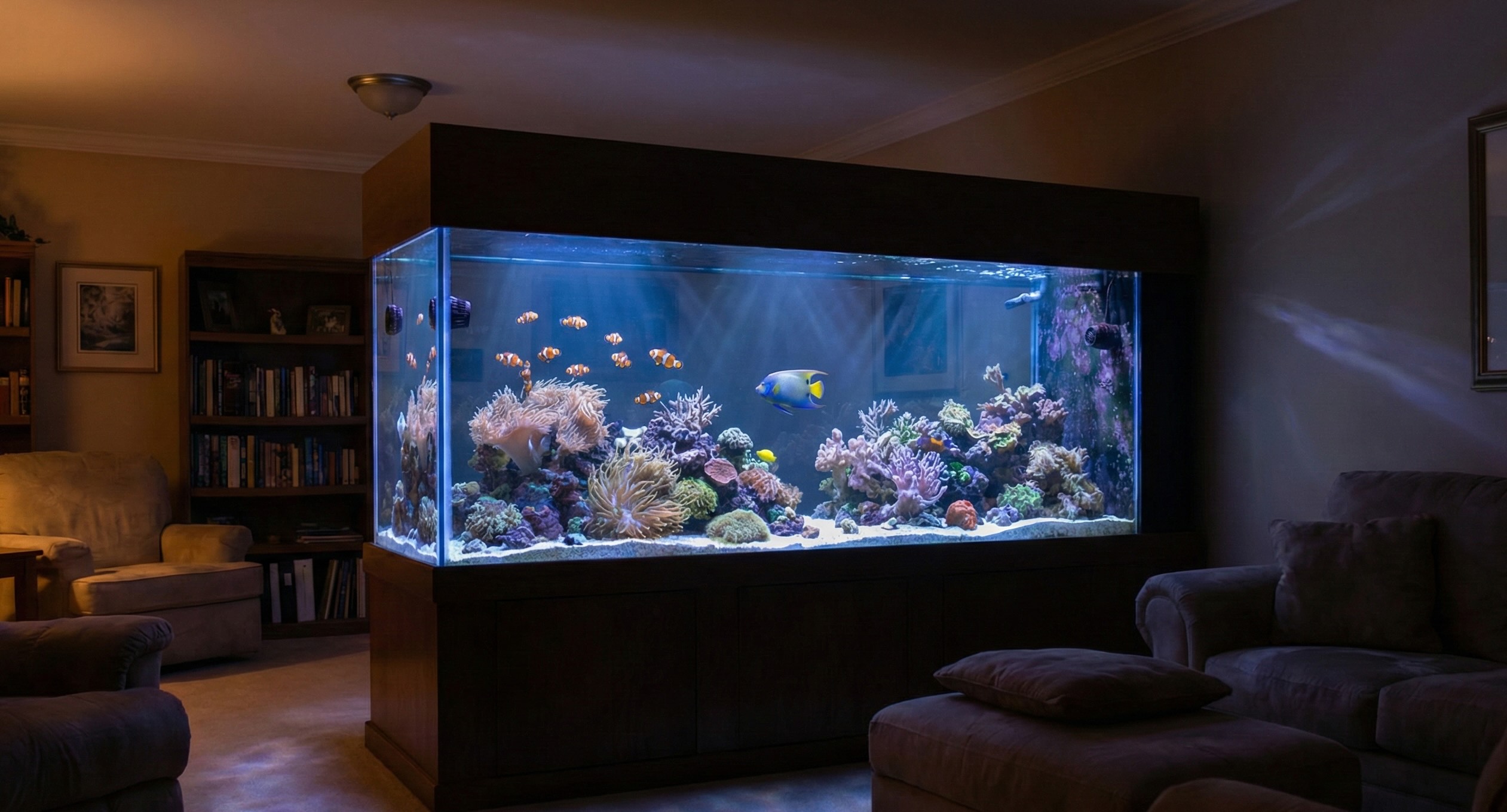
There’s something utterly mesmerising about watching fish glide gracefully through crystal-clear water, their vibrant colours dancing in the gentle aquarium light. If you’ve found yourself captivated by the idea of bringing this underwater world into your home, you’re about to embark on one of the most rewarding pet-keeping journeys.
Setting up your first fish tank might seem daunting, but with the right guidance, you’ll soon discover that aquarium keeping is both accessible and deeply satisfying.
Dr Sarah Mitchell, a veterinarian specialising in aquatic animals, notes that “proper preparation is absolutely crucial for aquarium success. The fish depend entirely on their environment, so getting the basics right from day one sets the foundation for healthy, happy aquatic pets.”
Let’s explore everything you need to know about creating the perfect underwater haven.
Essential equipment
Before you fall in love with those gorgeous fish at the pet shop, you’ll need to gather the fundamental equipment that will keep your aquatic friends thriving. Think of your first fish tank as a complete life support system: every component plays a vital role.
Your shopping list should include:
- The tank itself – Start with at least 75 litres for beginners. Larger tanks are actually easier to maintain as they’re more forgiving of small mistakes
- Filtration system – This removes waste and toxins, keeping water clean and oxygenated
- Heater and thermometer – Most tropical fish require consistent temperatures between 24-26°C
- Lighting – Essential for both fish wellbeing and plant growth if you choose live vegetation
- Substrate – Gravel or sand for the tank bottom, providing beneficial bacteria homes
- Water treatment products – Dechlorinator is essential as tap water contains chemicals harmful to fish
Many pet shops offer starter kits that include these basics, which can be excellent value for first-time aquarium owners. However, do check that the filter and heater are appropriately sized for your chosen tank.
Saltwater vs freshwater
One of the biggest decisions you’ll face is whether to create a saltwater or freshwater environment. Each offers unique rewards, but they differ significantly in complexity, cost, and maintenance requirements.
Freshwater tanks are more forgiving, less expensive to set up and maintain, and offer a wonderful variety of colourful, personality-filled fish species. Popular choices include vibrant tetras, graceful angelfish, and the famously hardy goldfish. The water chemistry is simpler to manage, and if something goes slightly wrong, you have more time to correct it.
Saltwater aquariums, whilst absolutely stunning, require more precise water conditions and significantly higher investment. Marine fish are generally more sensitive to water quality changes, and the salt mix, protein skimmers, and additional equipment push costs considerably higher. However, the visual rewards are extraordinary – imagine keeping clownfish among swaying anemones or watching a mandarin fish’s colours pulse under moonlight.
Marine biologist Dr James Crawford advises new aquarists: “Master freshwater first. The principles you learn – understanding nitrogen cycles, reading fish behaviour, maintaining consistent care routines – these skills transfer beautifully to marine keeping when you’re ready for that adventure.”
Setting yourself up for long-term success
The most crucial aspect of your first fish tank isn’t the equipment or even the fish – it’s understanding the nitrogen cycle. This natural process converts harmful ammonia from fish waste into less toxic compounds. Before adding any fish, your tank needs 4-6 weeks to establish beneficial bacteria colonies that manage this cycle.
During this cycling period, add a few flakes of fish food daily to provide ammonia for the bacteria to feed on. Test kits will help you monitor ammonia, nitrite, and nitrate levels. Once ammonia and nitrite drop to zero and nitrates are detectable, your tank is ready for its first residents.
Start with hardy, peaceful species like danios, tetras, or corydoras catfish. Add just 2-3 fish initially, then gradually introduce more over several weeks. This approach prevents overwhelming your biological filtration system and gives you time to observe fish behaviour and health.
Remember that fish keeping is a marathon, not a sprint. The most successful aquarists develop consistent daily routines – a quick visual health check, feeding appropriate amounts, and monitoring equipment. Weekly partial water changes of 20-25% keep conditions optimal.
Your first fish tank represents the beginning of a wonderful journey into aquatic pet keeping. With patience, preparation, and genuine care for your underwater companions, you’ll soon discover why millions of people worldwide find such joy in this peaceful, rewarding hobby.
The gentle bubble of the filter, the graceful movement of your fish, and the living artwork you’ve created will bring daily moments of tranquillity and wonder to your home.